How to Choose the Right Mountain Bike Tire for Your Local Trails
Mountain bike tires are a mess of dramatic names, mystery rubber and sidewall acronyms. Strip away the marketing and the job is simple: match the tread, size, compound and casing to the ground you ride and the way you ride it.
There is no single best tire. The right setup is a system, and the front and rear tires do not need to do the same job.
Match the Tread to Your Dirt
Knob height, spacing and support determine how a tire rolls, brakes, clears mud and corners.
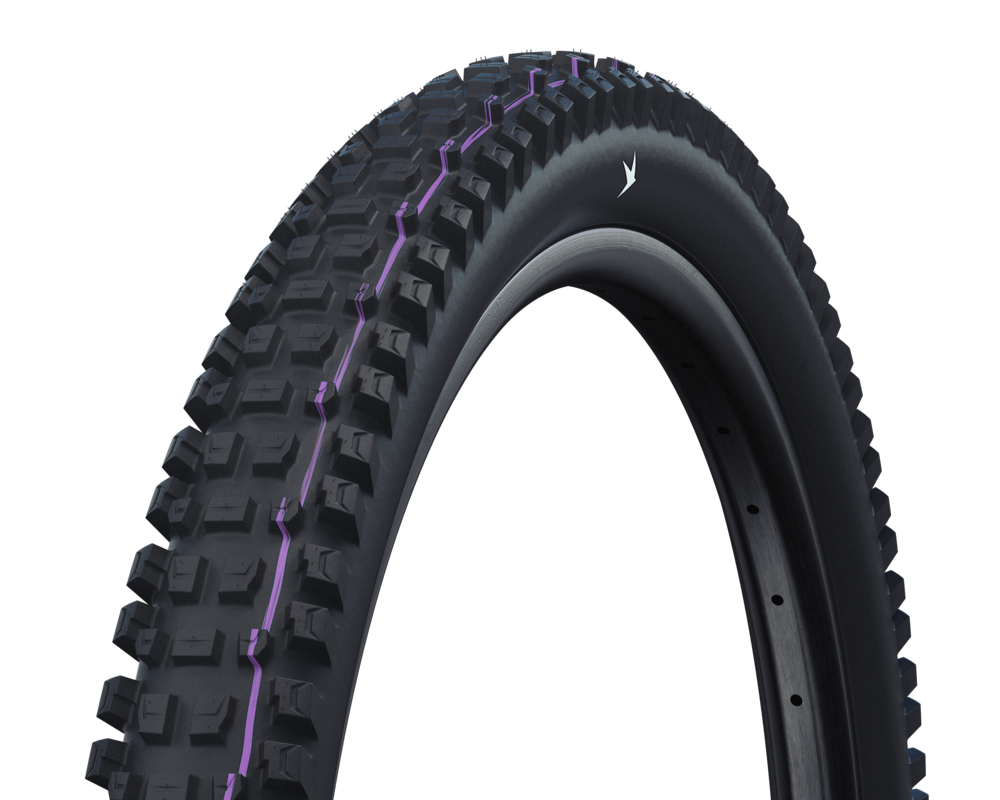
- Hardpack and flow: Low or ramped center knobs for speed, with defined shoulder knobs. Tread examples: Maxxis Rekon or Schwalbe Albert.
- Loose-over-hard and desert dust: Taller, supported shoulders and strong braking edges. Tread examples: Maxxis Minion DHF or Specialized Butcher.
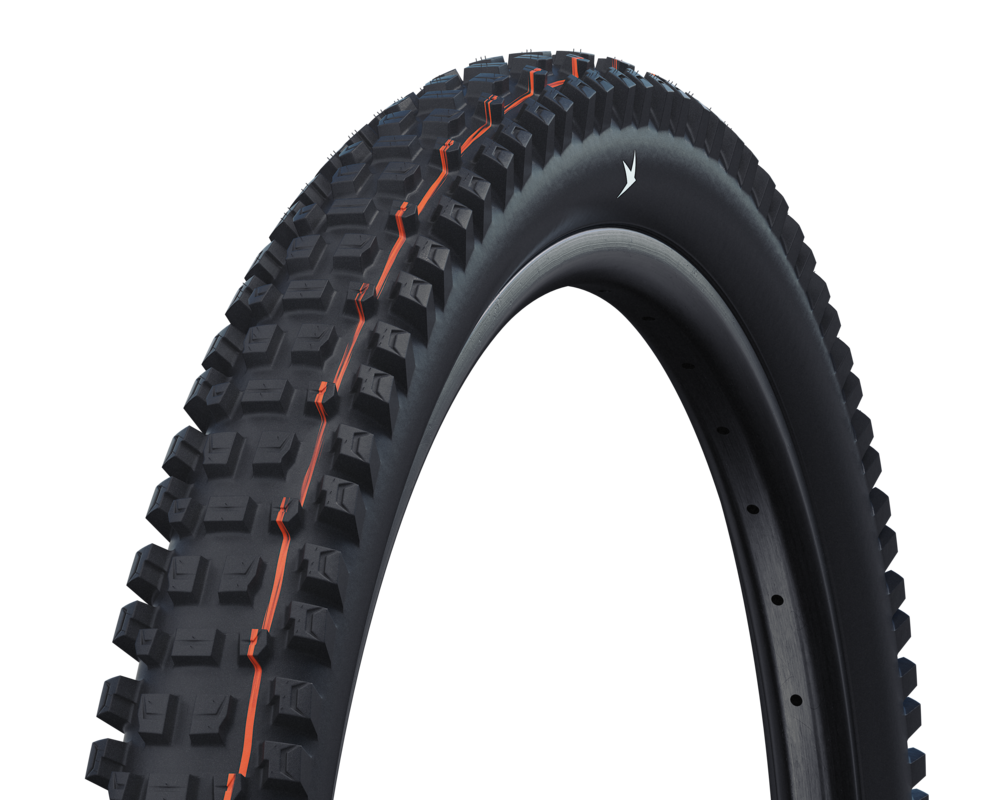
- Loam and soft soil: Tall, open tread that penetrates dirt and clears quickly. Tread examples: Continental Argotal or Schwalbe Magic Mary.
- Mud and wet roots: Widely spaced knobs that shed mud and softer rubber for slick surfaces. Tread examples: Maxxis Shorty or Schwalbe Shredda.
- Rock and high-speed chunk: Broad, reinforced knobs that resist folding under load. Tread examples: Continental Kryptotal Fr/Re or Maxxis Minion DHR II.
In wet, rooty regions like the Pacific Northwest and Northeast, start with open tread and softer rubber. In the Southwest, prioritize supported side knobs and casing protection for sharp rock. On dry hardpack, a quicker center tread saves energy.
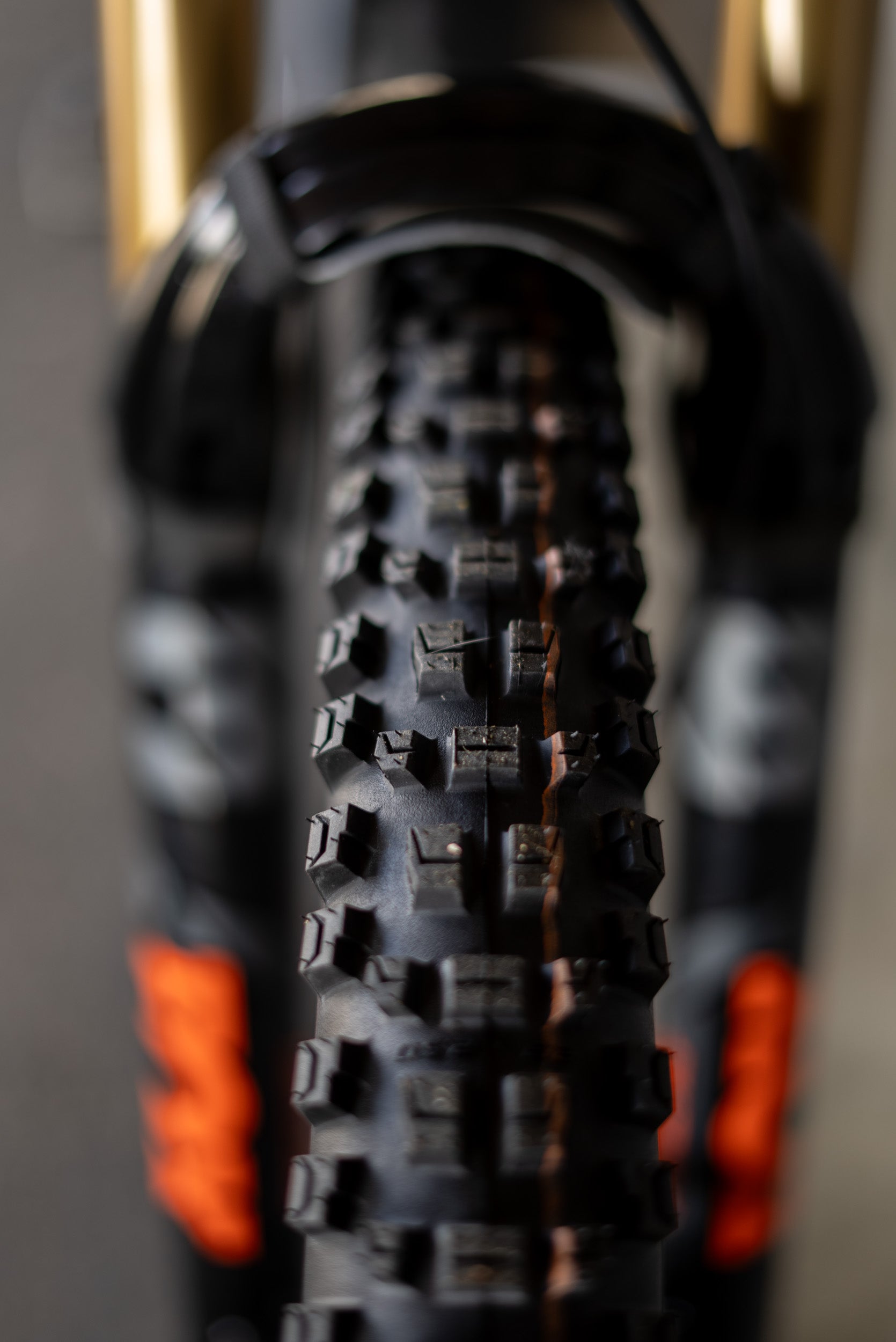
Also check the gap between the center and shoulder knobs. A large channel can feel fast upright but vague as you begin to lean. Intermediate knobs create a smoother, more predictable transition into a corner.
Choose the Right Width
Roughly 2.3 to 2.6 inches covers most modern trail and enduro setups. A wider or more aggressive front tire is common because the front controls steering and much of your braking. More grip and volume up front add confidence; a slightly narrower rear usually rolls faster and leaves more frame clearance.
That is a useful default, not a law. Matching widths work well, too, while hard riders may choose a narrower but heavier-cased rear for speed and impact protection.
Check the frame, fork and rim manufacturers' limits. Actual width changes with the tire, casing, pressure and rim. Leave room for wheel flex and mud not just enough clearance to spin the tire in the garage.
Pick a Compound: Grip Is Not Free
Softer rubber conforms to roots and rock, adding grip in steep, wet or cold conditions. It also rolls slower and wears faster, especially on the rear. Firmer rubber is faster, more supportive and longer-lasting, but less secure on polished rock and wet roots. Multi-compound tires split the difference with faster rubber through the center and softer shoulder knobs.
A reliable starting point is softer rubber up front for control and a slightly firmer rear for speed and tread life. Stay soft at both ends when maximum braking and climbing grip matter more than longevity.
Choose a Casing
The casing controls weight, support and puncture protection.
- Trail: The all-around option for riders who pedal to the top.
- Enduro or reinforced: Heavier, more stable and better suited to hard cornering, sharp rock and repeated impacts.
- Downhill: Maximum protection for racing, lift laps and shuttle days and maximum punishment on the climb.
The rear takes more abuse, so mixing casings makes sense. A trail or enduro front paired with a heavier rear keeps the front compliant while protecting the tire most likely to get smashed.
What About Radial Tires?
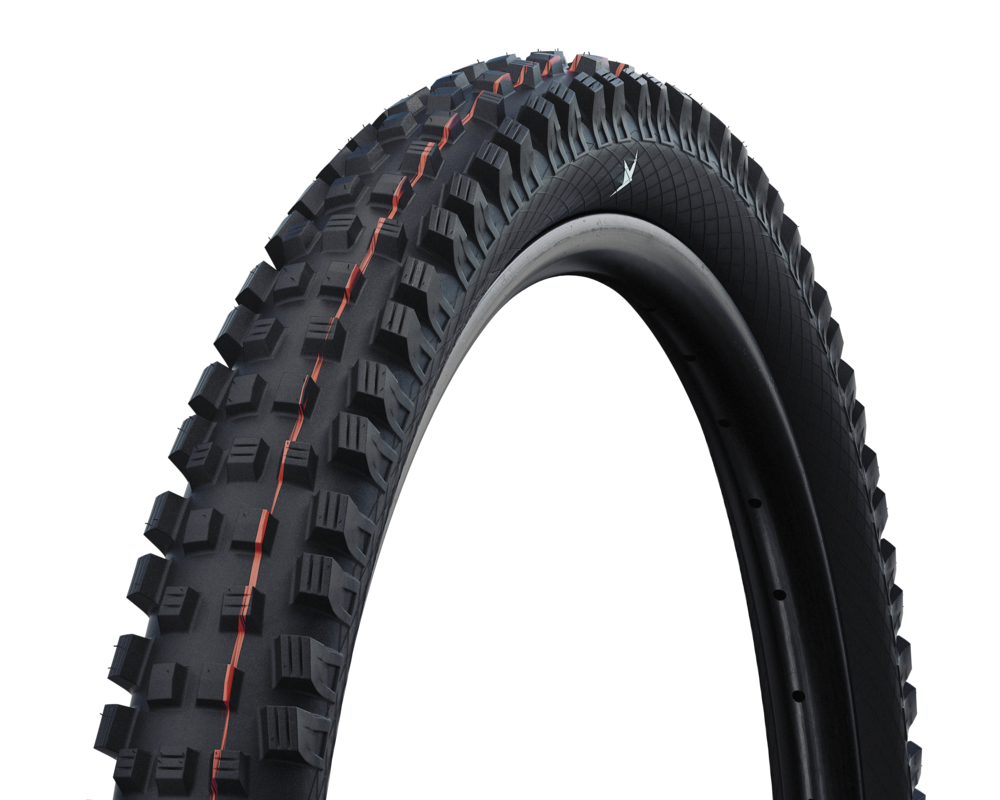
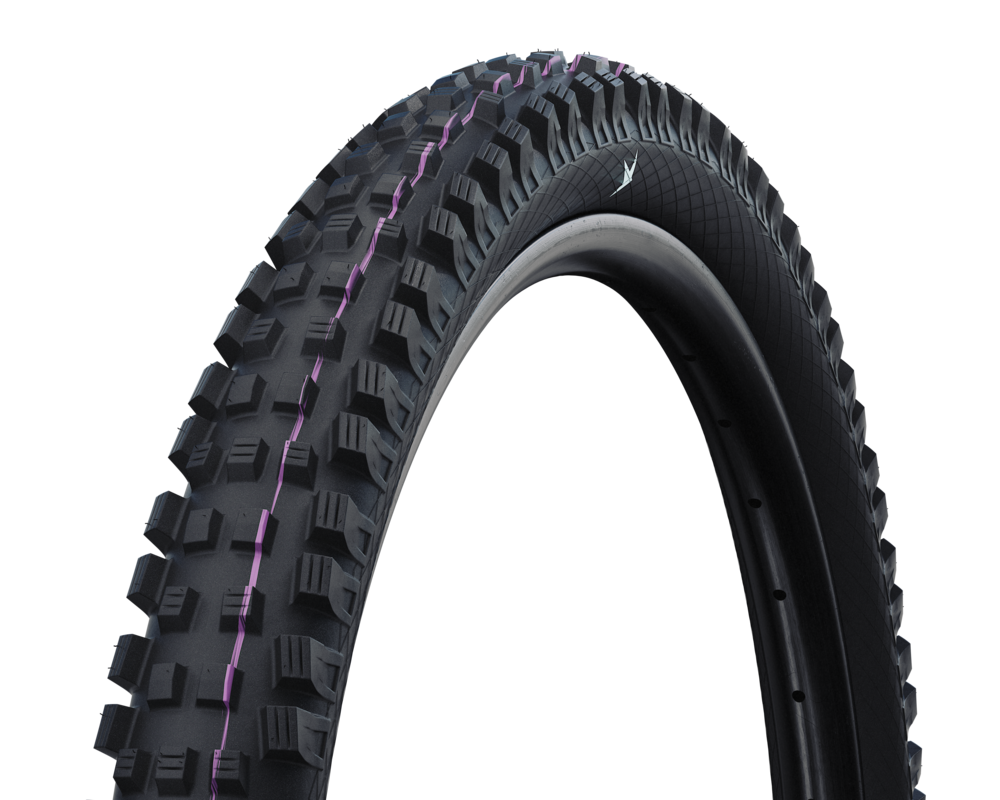
Most mountain bike tires use casing threads that cross the tire diagonally. In Schwalbe's radial construction, those threads sit at a more open angle, allowing the casing to deform more precisely around roots, rocks and other trail features instead of flexing across a larger section of the tire.
The result is a larger contact patch with more knobs touching the ground. Schwalbe claims its radial tires produce roughly 30 percent more contact area at the same pressure, improving braking traction, cornering grip, damping and control. Because the casing conforms more easily, the tire can feel calmer through chatter without relying on extremely low pressure.
Radial construction does not replace the usual tread, compound and protection choices. A Schwalbe Albert Radial remains the faster all-round option, while a Magic Mary Radial uses a more aggressive, open tread for soft ground and gravity riding. Choose Trail Pro when weight and pedaling matter; move to Gravity Pro for maximum support and impact protection.
Run Tubeless
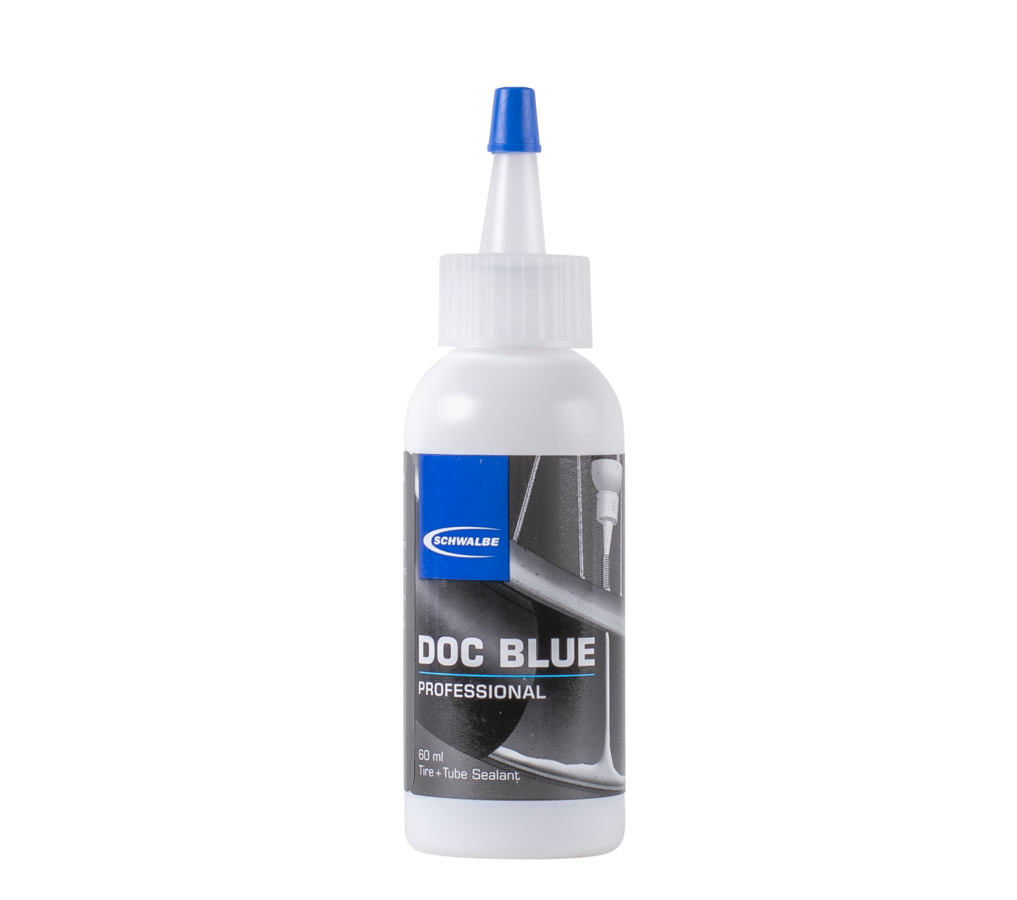
For nearly every trail rider, tubeless is the right default. Removing the tube eliminates traditional pinch flats, allows lower pressure for better grip and comfort, and lets sealant close many small punctures while you ride.
It still needs maintenance. Use compatible tires and rims, refresh the sealant and carry a plug tool, pump and spare tube. If you hit the rim or roll the tire in corners, add pressure or casing support.
My personal opinion
I genuinely believe in radial tires. The first time I ran Schwalbe's radials, I bumped the pressure up 2-3PSI over my normal riding pressure and was blown away at how fast they rolled while maintaining traction without the jarring fatigue normally found in high pressure set ups and further protecting the rim. This instantly made me a believer earning Schwalbe Radials a place in the Tenet lineup.